
Gum Disease Linked to Poor Gut Health
At our Seaside dental clinic, Dr. Santos knows that a patient’s teeth can provide a lot of information about their health, diet, age, and identity. The health of a patient’s teeth can even give Dr. Santos clues about their overall health, including clues to health issues that don’t even originate in the mouth. Some serious issues like cardiovascular disease, respiratory infections, and diabetes have all been linked to poor oral health in studies. Now, researchers from the University of Michigan Medical and Dental School have discovered that inflammatory bowel disease (IBD) that includes ulcerative colitis and Crohn’s disease, may also become exacerbated in patients with poor oral health.
The results of the study were published in the journal Cell.
Oral Health Linked to Gut Health
The term IBD references two conditions, ulcerative colitis and Crohn’s disease. Both of these conditions are hallmarked by inflammation of the gastrointestinal tract. The exact cause of IBD is unknown, but the condition affects roughly three million adults in the U.S.
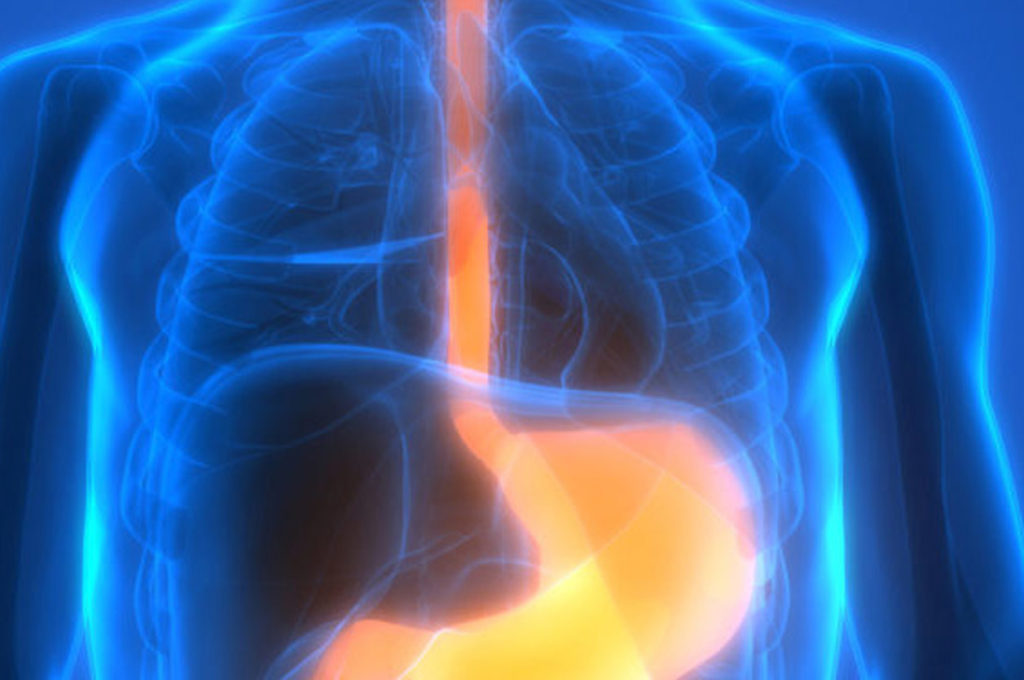
As part of the study, researchers noted a connection between an overgrowth of foreign bacterial species in the stomachs of patients with IBD. This type of bacteria is normally found in the mouth. This discovery prompted researchers to further explore whether oral disease can impact the severity of certain types of gastrointestinal diseases.
While the precise mechanism that enables an oral infection to contribute to the development of stomach ailments remains unclear, the findings of the study clearly showed that gum inflammation causes inflammation in the stomach to worsen.
Researchers discovered two pathways where oral bacteria worsened stomach inflammation. In the first pathway, severe gum disease created an imbalance in the mouth’s normally healthy microbiome that led to an increase of bacteria that causes gum inflammation. This same type of bacteria can then make its way to the stomach.
Gum disease leads to the increased presence of harmful oral bacteria in the mouth. When harmful bacteria build up, it can then be ingested and travel to the stomach. Once there, the bacteria can cause inflammation to develop in the stomach, reports the research team.
While the stomach usually resists the buildup of foreign bacteria, harmful oral bacteria has the ability to disrupt healthy stomach bacteria, thereby weakening their ability to resist disease causing bacteria that originates from the mouth, according to the research team.
The second pathway noted by researchers shows that gum disease activates the immune system’s T cells in the mouth. Those T cells then travel to the stomach where they also contribute to a worsening of stomach inflammation.
Together, both pathways enable oral bacteria to contribute to the development of IBD. First, oral bacteria weaken the stomach’s ability to fight off infection. Second, the body’s response to harmful oral bacteria triggers an immune system response that also contributes to a weakening of the stomach. Overall, these two forms of attack contribute to a weakening of the stomach and a higher risk for IBD.
A Healthier Mouth = A Healthier Body
Visiting our Seaside dental clinic can dramatically help to lower your risk from a variety of serious health problems. Patients who receive regular cleanings, dental exams, and checkups have their risk for developing severe gum disease significantly reduced. Additionally, patients with gum disease can receive treatment from Dr. Santos that can help to restores their gums back to health.
Whether increasing your risk for IBD or another serious health problem, researchers have consistently found that the healthier our mouths, the healthier our bodies. During this time of COVID-19, it’s more important than ever that patients take their oral health seriously. Tooth decay, gum disease, and even tooth loss may seem inconsequential during a pandemic, but untreated gum disease only further weakens our immune systems. Now, when we need our immune systems working at full capacity is no time to ignore our oral health.
Contact our Seaside dental clinic to schedule your next dental exam and cleaning. If you have any questions about the impact poor oral health can have on your overall health, feel free to ask any member of our team during your next visit to Seaside Family Dentistry.